Arthroscopy Surgery
Detailed information about our specialized treatments and procedures.
What Is Arthroscopy?
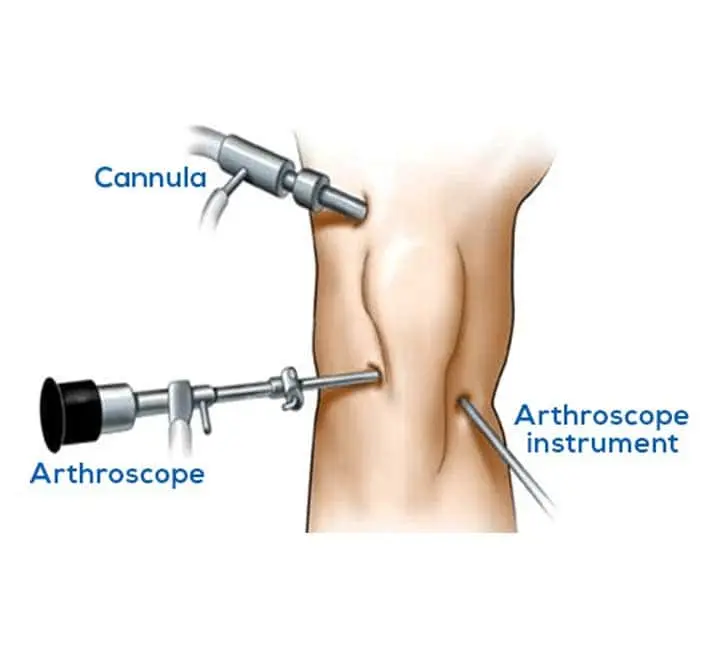
Arthroscopy is a minimally invasive surgical procedure used to diagnose and treat joint issues. The surgeon inserts a narrow tube attached to a fiber-optic camera through a small incision, about the size of a buttonhole, allowing treatment without a large incision.
- Minimally invasive procedure
- Uses a fiber-optic camera to view the joint internally
- Instrument as thin as a pencil to repair joint damage
- Minimal discomfort and faster recovery
This advanced technique allows precise treatment of joint problems, making it an excellent option for patients seeking quicker recovery and minimal surgical trauma.
Why is Arthroscopy Done?
Commonly affected joints include:
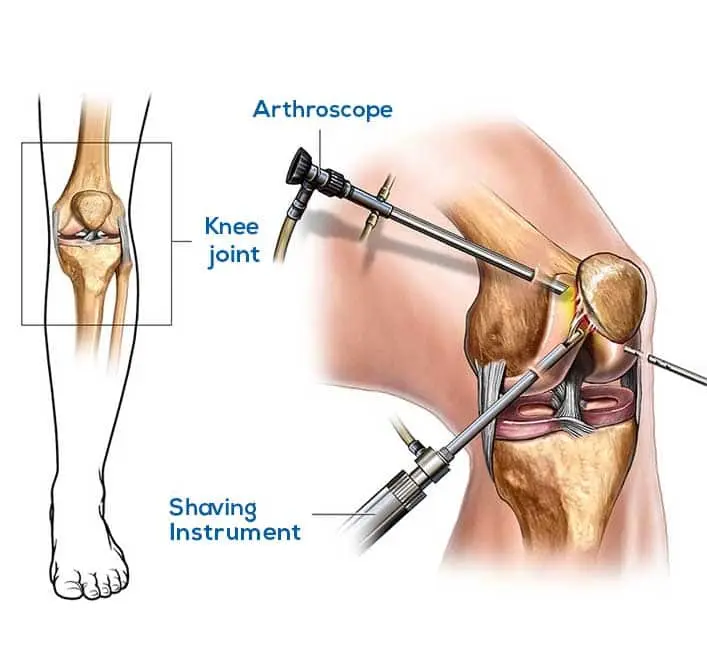
Doctors use arthroscopy to diagnose and treat a variety of joint problems.
Risks Involved With Arthroscopy
Arthroscopy is generally safe, but some potential risks include:
- Infection: Small risk as with any invasive surgery
- Nerve or tissue damage: Surgical instruments may affect joint structure
- Blood clots: Increased risk if procedure is prolonged
Preparation for Arthroscopy Surgery
Proper preparation ensures a safe and smooth procedure.
Stop Certain Medications
Your doctor may ask you to stop medications or supplements that increase bleeding risk.
Fasting Before Surgery
You may need to fast for up to 8 hours before surgery depending on anesthesia type.
Wear Comfortable Clothes
Loose clothing like gym shorts or pajamas is recommended for easy access during the procedure.
What Happens During the Procedure?
Key points
Procedure Steps
Anesthesia & Positioning
Anesthesia
Local, regional, or general depending on procedure
Tourniquet applied to reduce blood loss and enhance joint visibility
Incisions
Small incisions for camera and surgical instruments
Minimal tissue disruption with precise instrument placement
Patient Positioning
Patient may lie on side or back depending on joint
Position optimized for joint access and surgeon visibility
Recovery and Post-Surgery Care