Joint Pain Treatment
Detailed information about our specialized treatments and procedures.
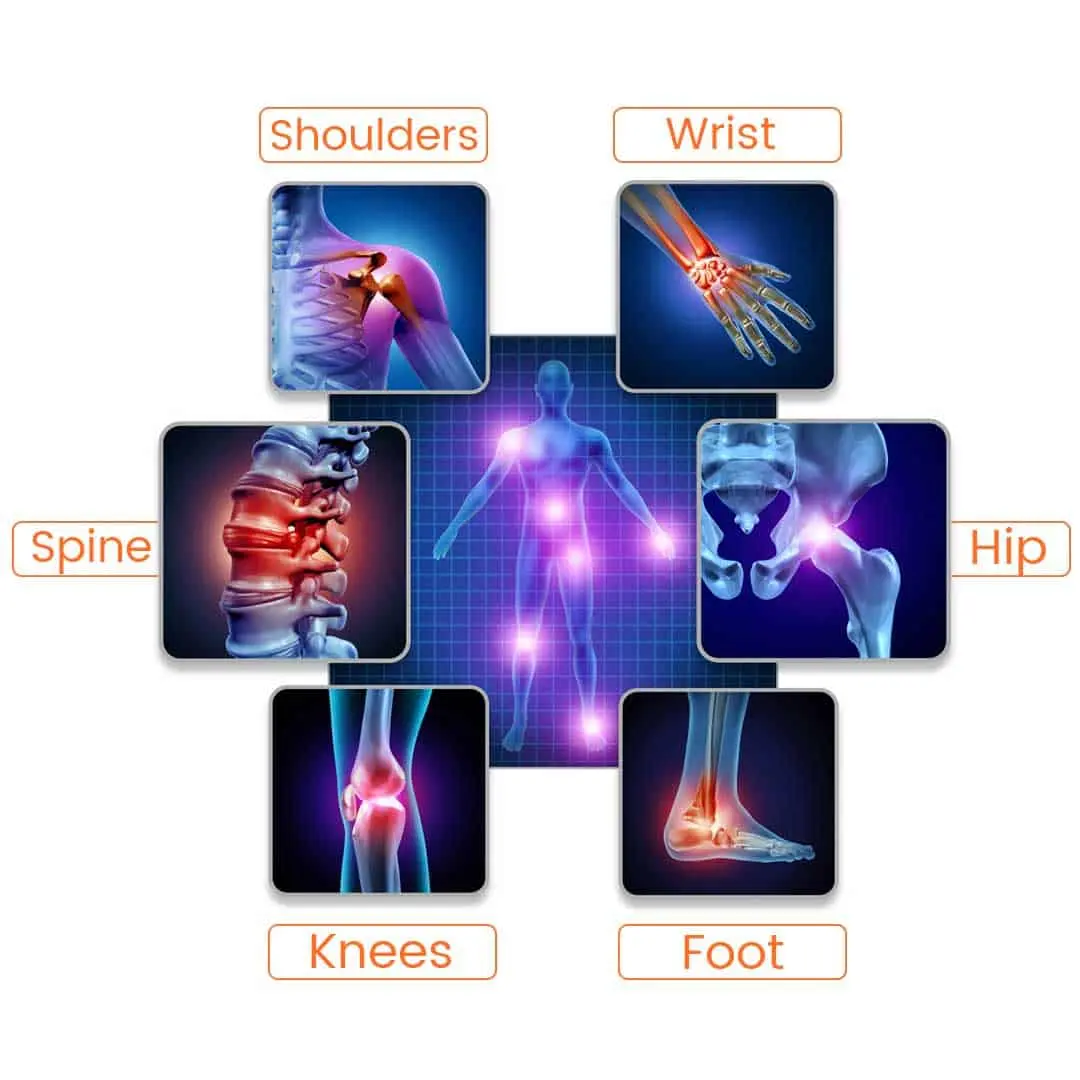
What is Joint Pain?
- Pain or discomfort in joints such as knees, hips, shoulders, and elbows
- Can be temporary or chronic depending on the underlying cause
- May resolve naturally or require medical intervention
Joint pain can be caused by conditions like arthritis, injuries, infections, or autoimmune disorders, and early diagnosis is important for effective management.
Causes of Joint Pain
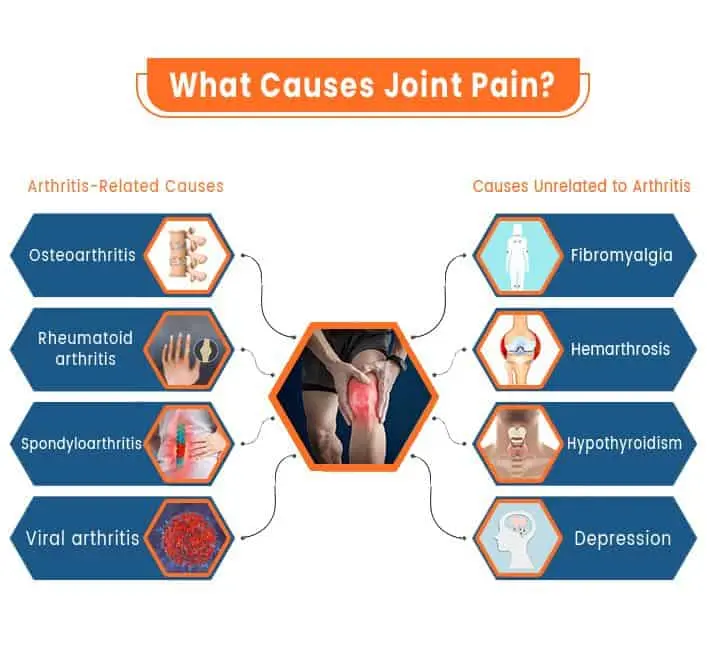
Joint pain can result from a variety of conditions. The most common cause is arthritis, but other factors may also contribute.
- Osteoarthritis (OA): Cartilage breakdown, common after age 40, affecting hips, knees, hands, and wrists.
- Rheumatoid Arthritis (RA): Autoimmune disorder causing inflammation, swelling, and fluid buildup in joints.
- Bursitis: Inflammation of cushioning pads around joints.
- Infectious diseases: Such as mumps, influenza, or hepatitis.
- Chondromalacia: Breakdown of cartilage in the kneecap.
- Injuries, Osteoporosis, Sarcoidosis, Lupus, Gout, Cancer, Fibromyalgia, Rickets.
Symptoms and Diagnosis
It is important to recognize the signs of joint pain and seek medical attention if necessary.
Symptoms
Pain lasting 3 days or more, fever without flu, tender/swollen/warm joints, joint deformity, immobility, severe pain, sudden swelling, or serious injury.
Diagnosis
Physical examination, X-rays for joint damage, blood tests for autoimmune issues, and detailed patient history to determine the cause of pain.
Treatment Options for Joint Pain
While there is no permanent cure, joint pain can be managed effectively with the right approach.
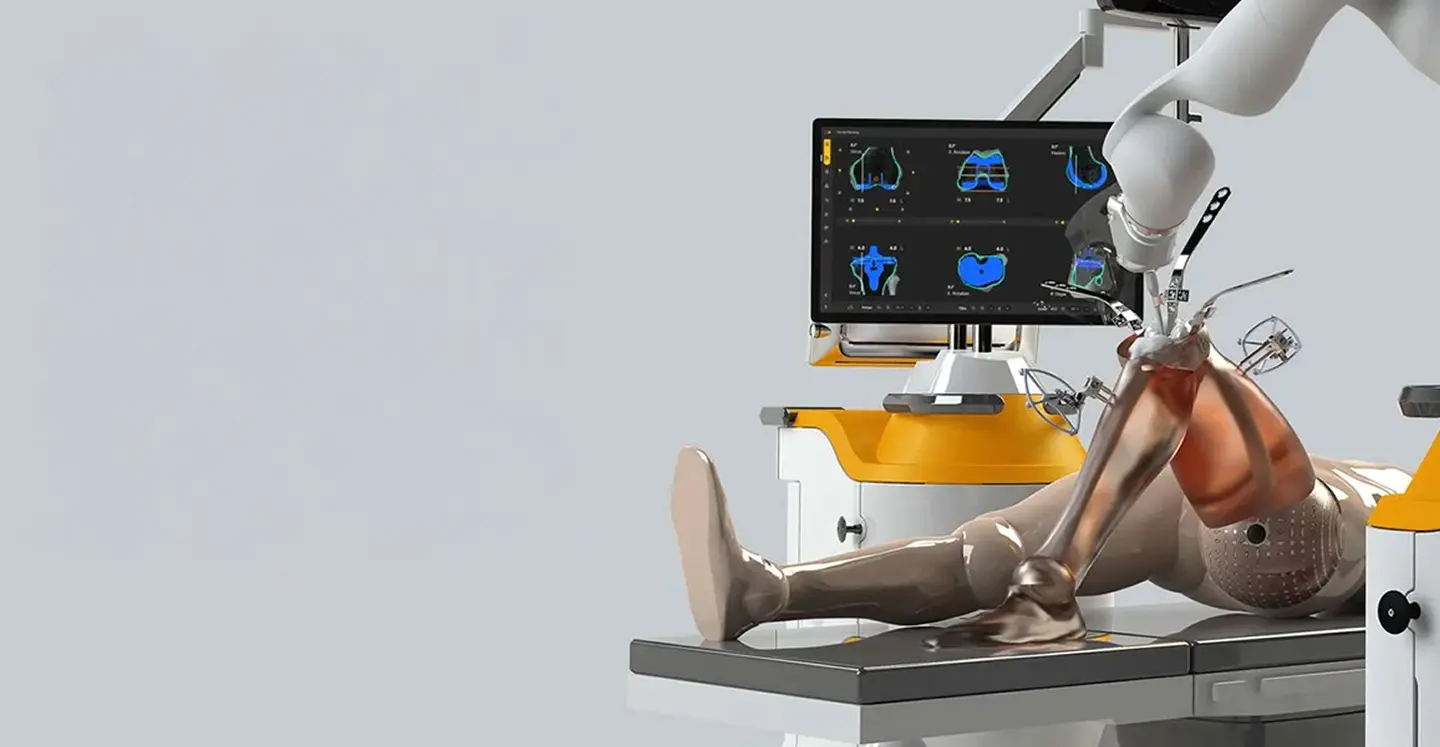
Management strategies include medications, therapies, and lifestyle modifications to reduce pain, inflammation, and improve joint mobility.