Joint Replacement
Detailed information about our specialized treatments and procedures.
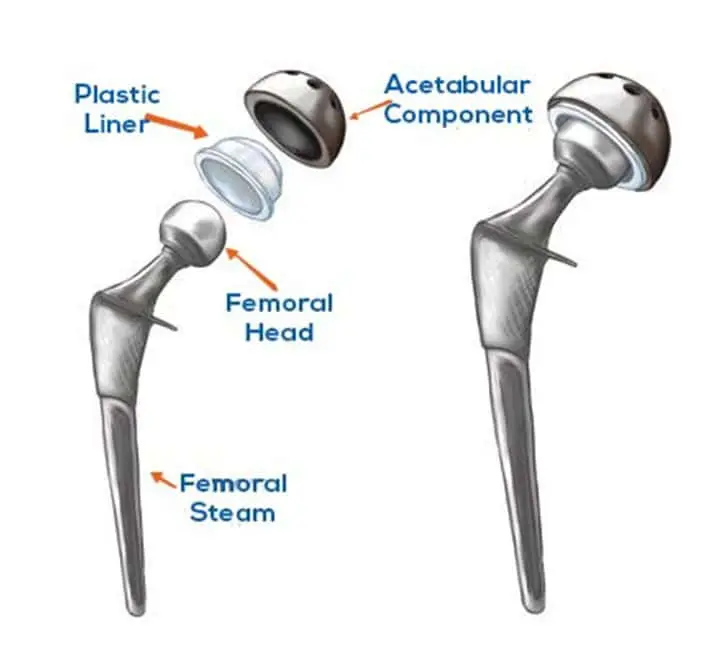
What is Total Joint Replacement?
- Restores normal movement and function
- Uses prosthetic devices made of metal, ceramic, or plastic
- Performed on multiple joints depending on the patient’s condition
At our hospital, a skilled team of doctors carefully performs total joint replacement to ensure excellent treatment outcomes and enhanced quality of life.
Why Total Joint Replacement is Recommended
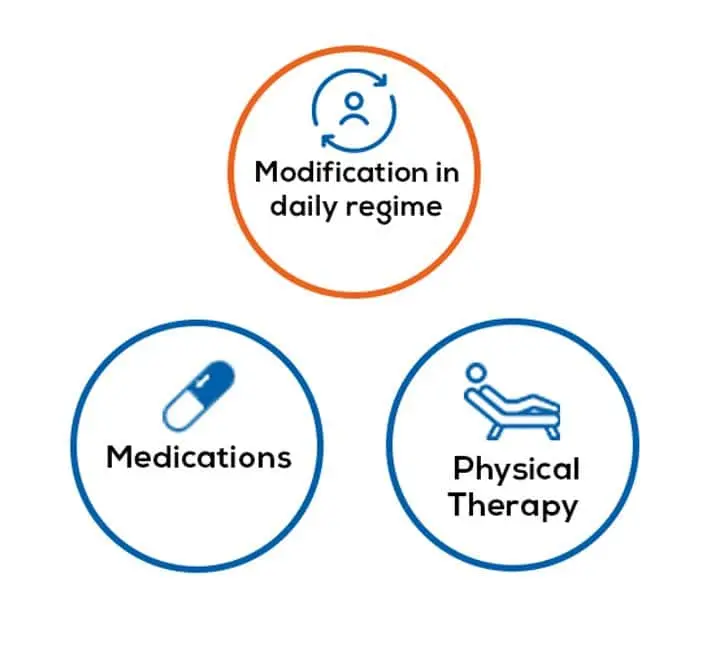
Total joint replacement is usually suggested when joint pain or dysfunction severely impacts daily activities. Non-surgical options may be tried first, but if they fail, surgery is the best option.
- Cartilage damage or degeneration
- Fractures affecting joint function
- Arthritis causing chronic pain and mobility issues
- Ineffectiveness of medications, physiotherapy, and lifestyle modifications
Surgical Approach & Recovery
The surgery involves removing damaged bone and cartilage, replacing it with a prosthetic joint, and following proper recovery protocols.
Surgical Approach
The surgeon removes the damaged bone and cartilage and installs a prosthetic component designed to mimic a natural joint, restoring movement and reducing pain.
Possible Complications
Risks include nerve injury, blood clots, infection, or issues with the prosthesis such as dislocation or loosening. Your doctor will guide you through risk management.
Recovery Process
Recovery varies per individual. Physical therapy, exercises, and gradual increase of activity help strengthen the joint and improve mobility. Temporary pain is common as tissues heal.
Long-term Results
Most patients experience significantly reduced pain, improved joint movement, and enhanced quality of life. The prosthetic joint typically lasts many years.
FAQs