Slip Disc Treatment
Detailed information about our specialized treatments and procedures.
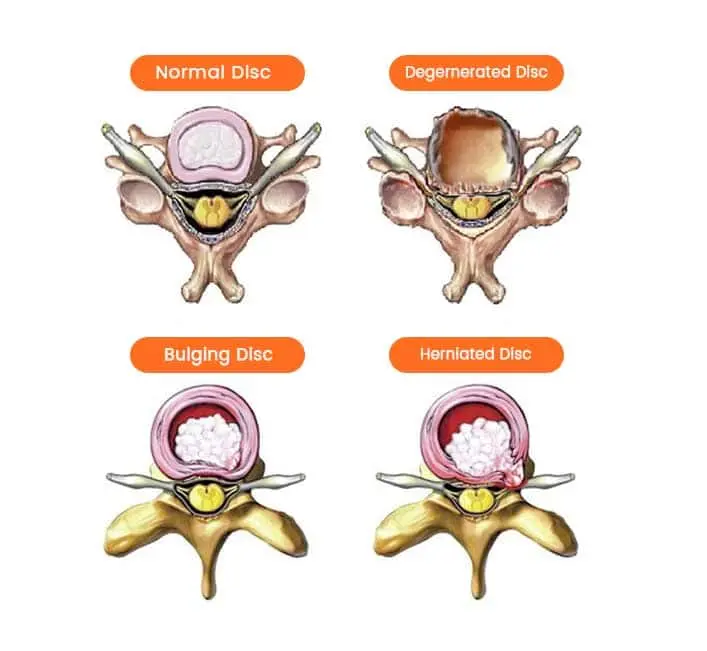
What is a Slipped Disc?
- Occurs in any part of the spine, commonly the lower back
- Can cause pressure on nerves, leading to pain and numbness
- May require surgery if non-surgical treatments fail
Early diagnosis and proper management are crucial for recovery and preventing further complications.
Causes and Risk Factors
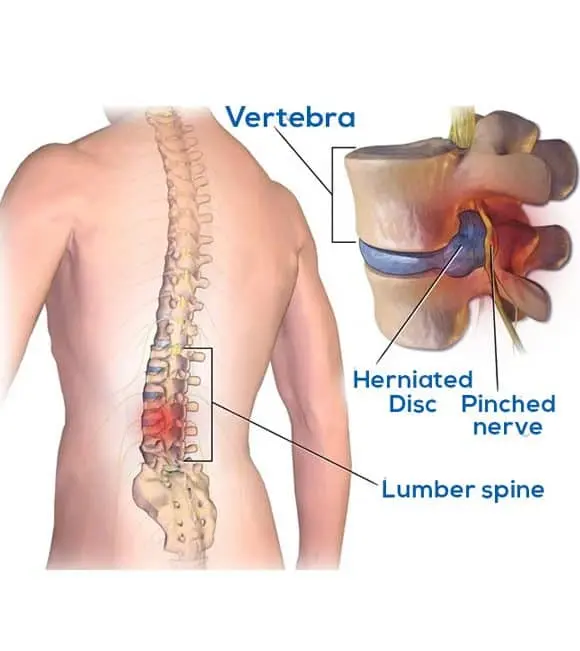
A slipped disc usually happens when the outer ring of the disc weakens, allowing the inner material to push through. Several factors can contribute:
- Age-related degeneration of spinal discs
- Twisting or lifting heavy objects incorrectly
- Jobs involving frequent heavy lifting
- Sedentary lifestyle and weak muscles
- More common in men than women
Diagnosis & Treatment Options
Treatment depends on severity and can include conservative measures or surgery.
Diagnosis
Doctors perform physical exams, review medical history, and use imaging tests like MRI, CT scan, X-rays, or discograms to confirm a slipped disc.
Conservative Treatment
Physical therapy, targeted exercises, rest, and lifestyle changes help reduce pain and strengthen supporting muscles.
Medications
Pain management may include muscle relaxers, nerve pain medications (e.g., gabapentin), or stronger medications if necessary.
Surgical Treatment
In severe cases, surgical intervention may be required to relieve pressure on nerves and restore function.
FAQs